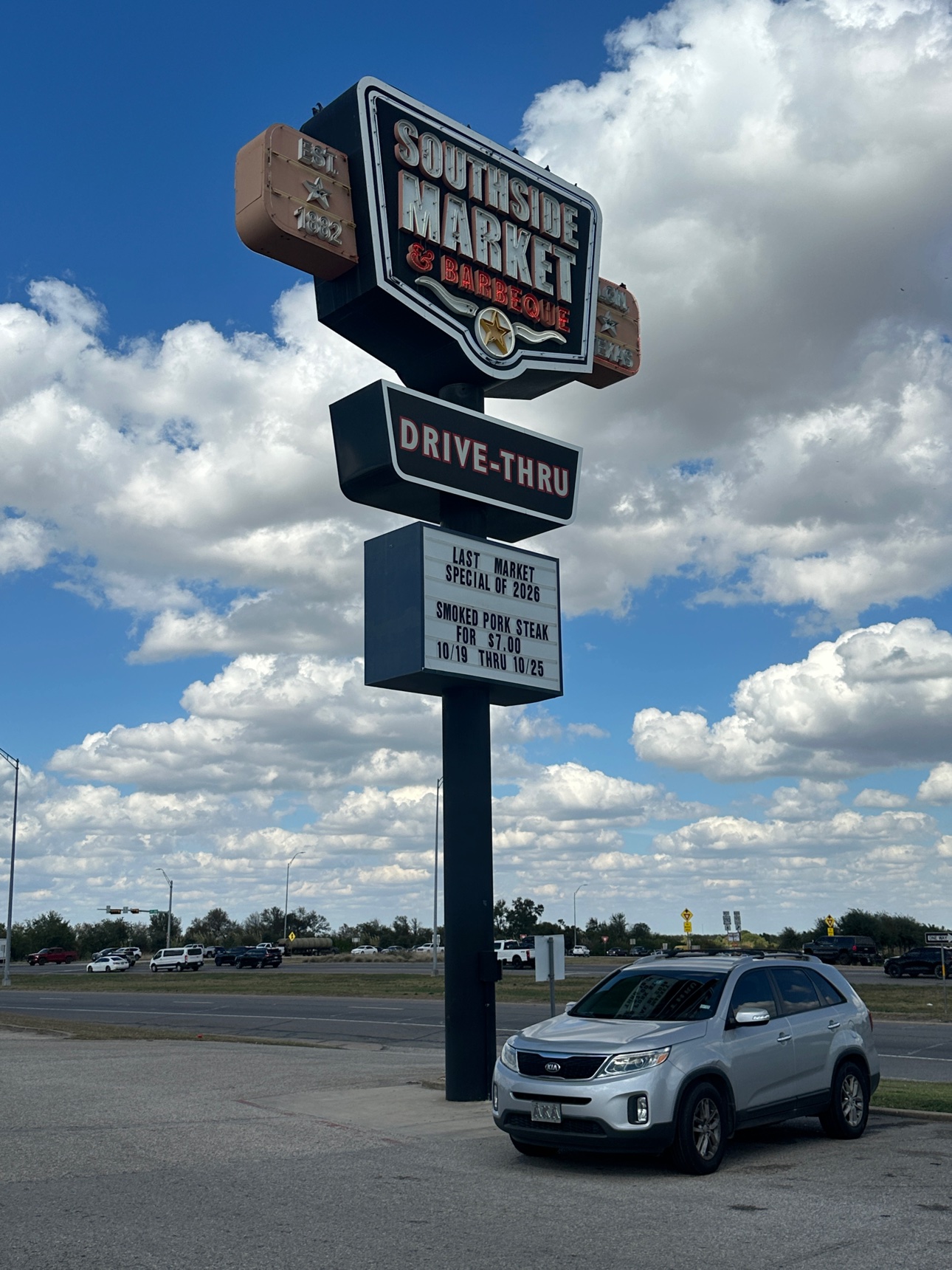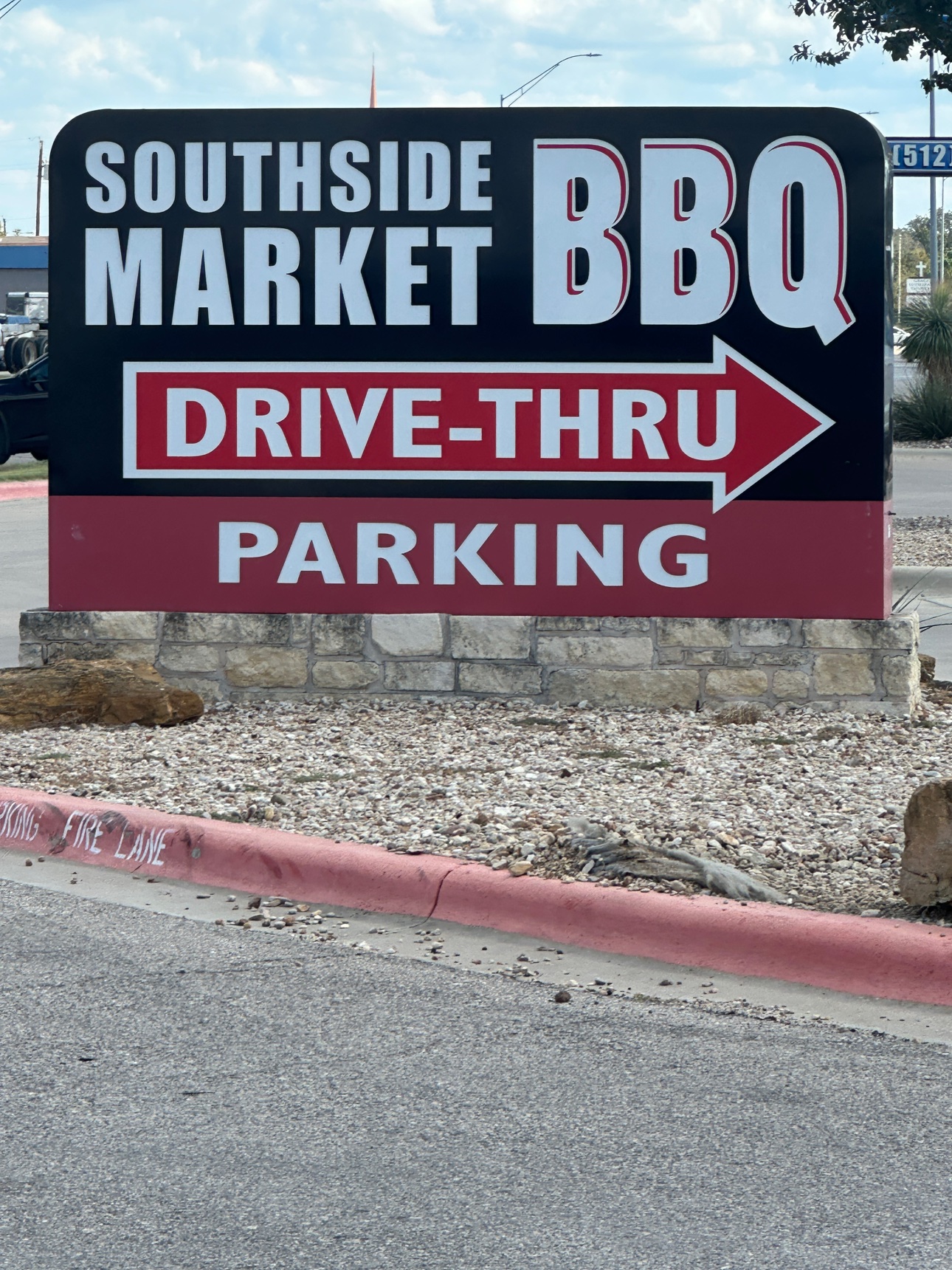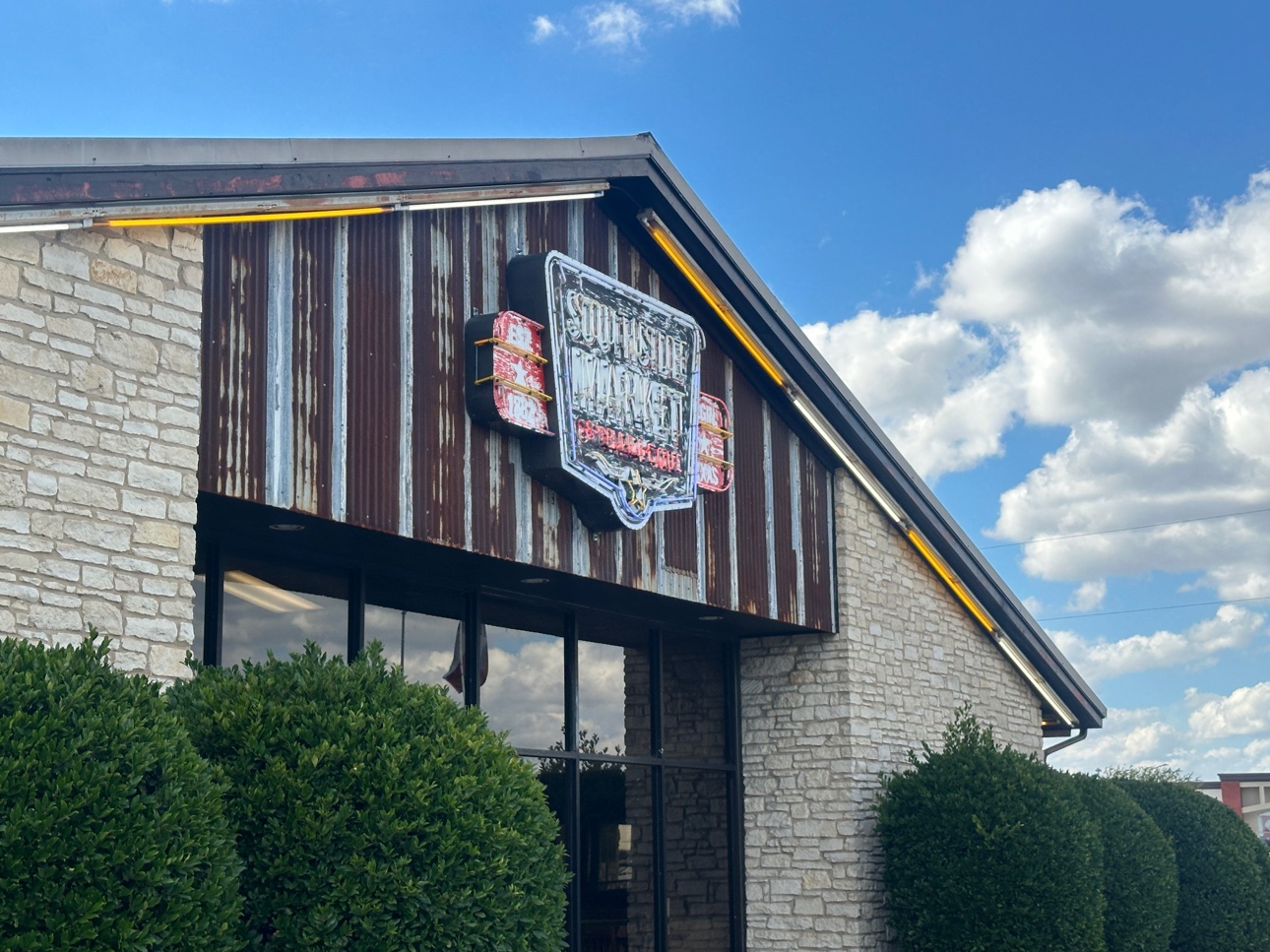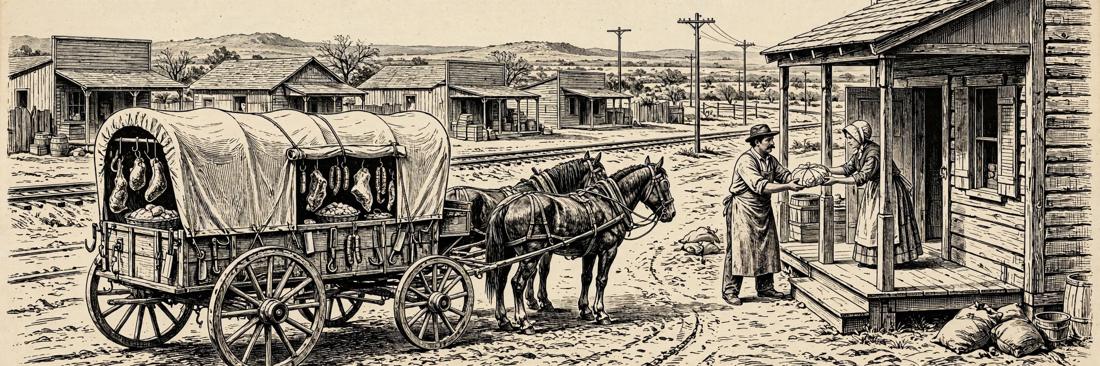
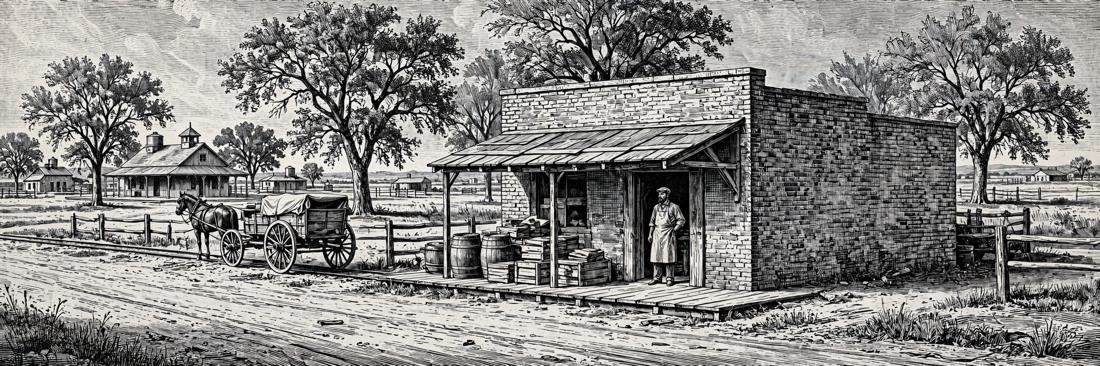
Elgin, Texas — Every barbecue joint in Texas claims a past. Few can produce one that starts before the automobile, before the icebox, before the town itself had much more than a depot and a main street. Southside Market & Barbeque can. By the company’s own account — the fullest telling of its history, and the one this paper leans on where noted — the story opens in 1882, when William Moon began raising and slaughtering animals on FM 1704 outside Elgin, hauling the meat into town by horse-drawn wagon and selling it door to door.
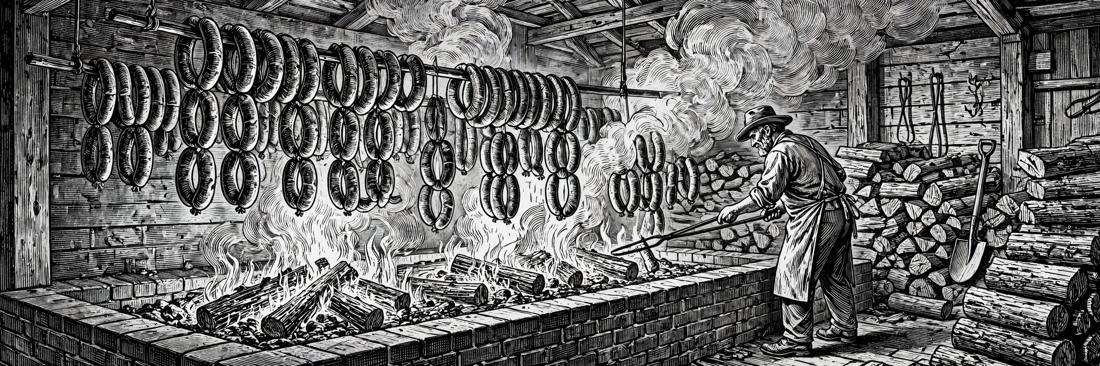
There was no refrigeration. Fresh meat that could not be sold had to be preserved or lost, and so it was smoked. The company tells it plainly: the smoked sausage and barbecue “was created simply from having fresh meat and no refrigeration.” Necessity, in other words, was the first pitmaster.
Four years on, in 1886, Moon opened his first brick-and-mortar store on Central Avenue — the City of Elgin’s Heritage Walking Tour places it at 117 Central Avenue. The little market moved around downtown over the decades before settling at 109 Central Avenue, where it stood for more than thirty years. How it came by the name “Southside,” the record does not settle: company tellings offer both a storefront on what was then known as South Street, and a market that grew up on the south side of the railroad tracks. This paper prints both, and vouches for neither.
A Business Won & Lost at Cards
In 1908, Moon sold the business to Lee Wilson, the small-town butcher who kept barbecue going in the back of the shop. Wilson’s tenure produced the market’s best piece of folklore. Legend has it — the company itself introduces the tale with those words, and so does this paper — that Wilson repeatedly lost and won back the business at the regular Wednesday-night card games, turning up on Thursdays to find a new boss behind his own counter. Whatever the cards said, Wilson kept ultimate control until 1942.
The man who made the market famous, though, never owned it. Bud Frazier was the sausage-maker, and the fiery all-beef link locals call “hot guts” is credited to his hand: beef and beef tallow, coarse-ground, seasoned with salt, black pepper and cayenne, stuffed in a natural pork casing and smoked over oak. Frazier never wrote the recipe down — a fact that would matter a great deal in 1968.
“Sausage, sausage, sausage.”
Ernest Bracewell Sr., on the menu before brisket arrived in the early 1970s — Foodways Texas oral history
Changing Hands, Twice
In 1942 the market passed to Jerry Stach and his partners — Monroe Stabeno and Charlie and Van Zimmerhanzel — who built a larger slaughter plant out on FM 1704 that same year. The partnership held until 1948, when Stach bought out his partners and brought in his brother Edwin. The Stach brothers ran Southside for twenty years.
Then came September 1, 1968 — the date the modern Southside begins. Ernest W. Bracewell Sr. and his wife Adrene bought the market from the Stach brothers. Ernest was no stranger: he had been an Armour & Co. meat salesman who called on Southside as a client, and it was Armour’s shrinking sales force that finally pushed him to buy the place himself. Once behind the counter, he went back on the road — delivering meats to area grocers, including a then-small H. E. Butt Grocery Co., and carrying Elgin Hot Sausage out to stores.
Ernest’s first job of preservation had nothing to do with meat. Bud Frazier’s recipe existed only in Frazier’s hands, so the new owner watched the old sausage-maker work for a couple of months and wrote it down — the first time the hot gut was ever set to paper. Ernest’s son Billy, born in 1955, had started work at the age of twelve and held the title of Vice President from 1968; his son Bryan would start at twelve too, and Bryan’s sons after him. Four generations, the same first job.
Change came slowly, then all at once. Brisket — today unthinkable to omit — only joined the menu in the early 1970s; before that, Ernest recalled, it was “sausage, sausage, sausage.” In the 1970s the cayenne was eased back for a milder link, though the original hotter version is still sold at the meat market, and the company now sells an “1882” hot version besides. And in 1983, fire: a bottle-rocket firework on the roof, the company’s own history does not mention, but the Foodways Texas oral history and Rick Browne’s A Century of Restaurants record. The blaze ended something else, too — the dining room’s segregation-era dividing wall, still standing when the Bracewells bought the store in 1968 though no longer enforced, survived until that fire. The Bracewells considered relocating. In time, they did — but on their own terms.
Out to Highway 290
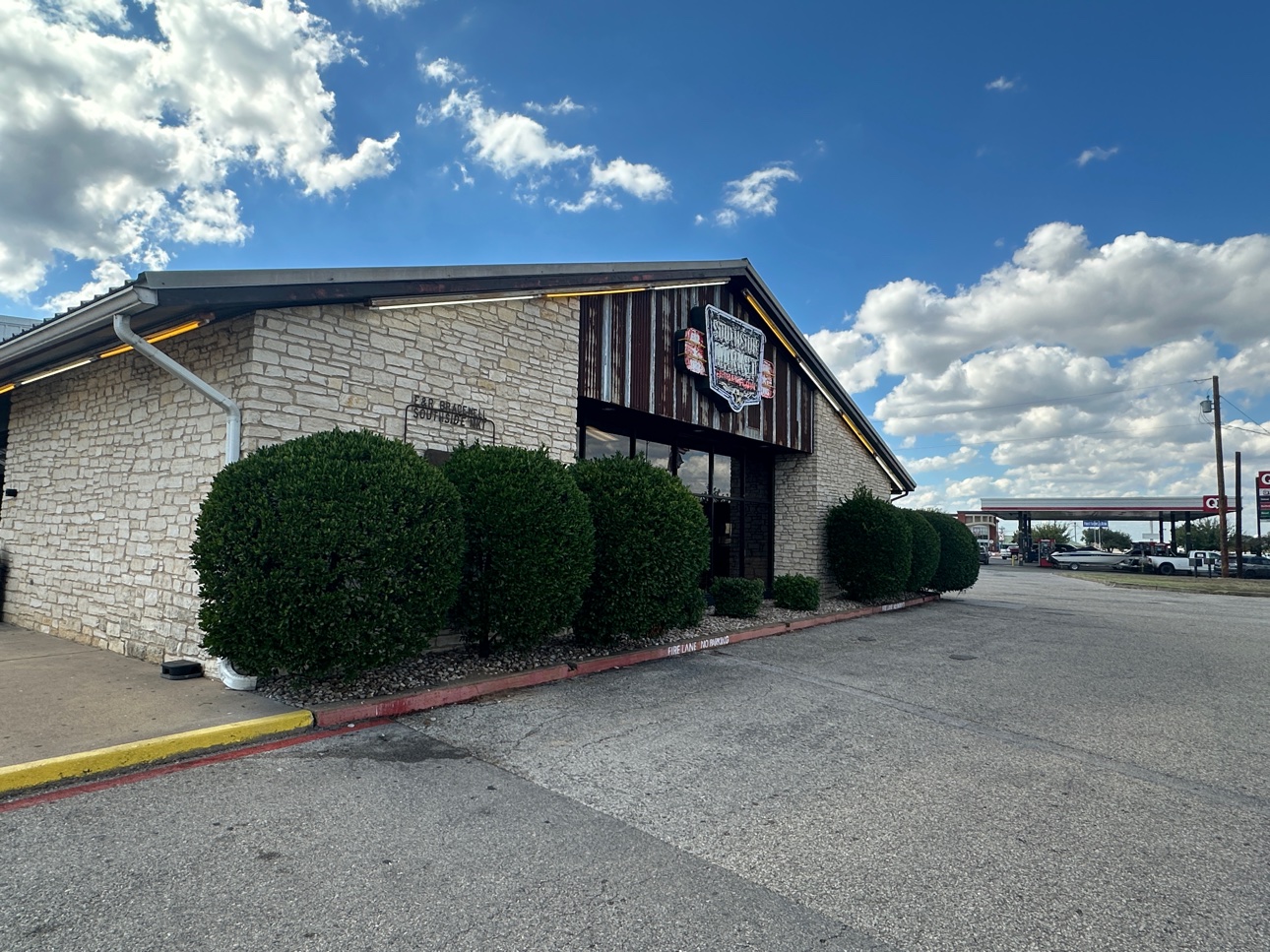
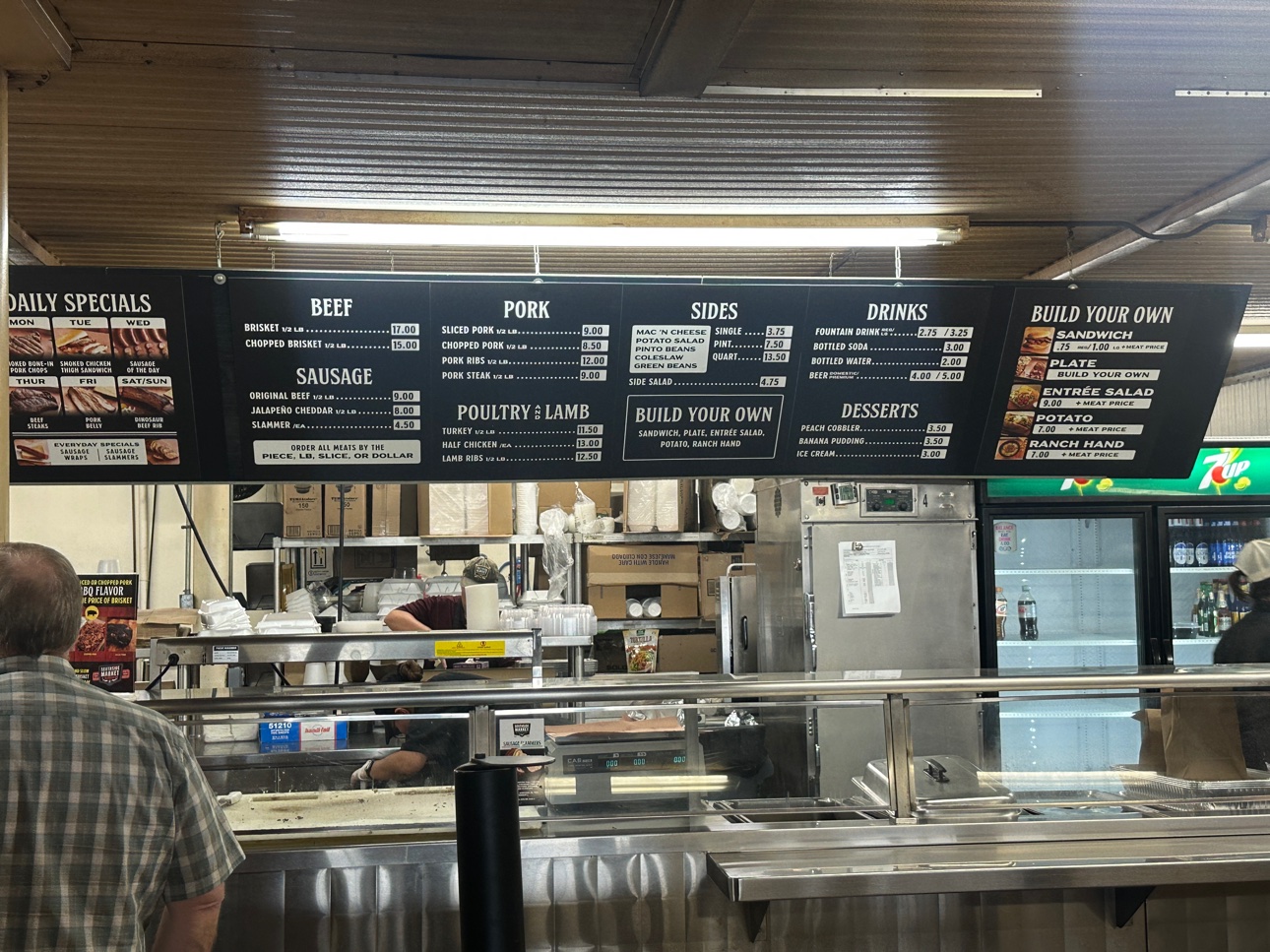
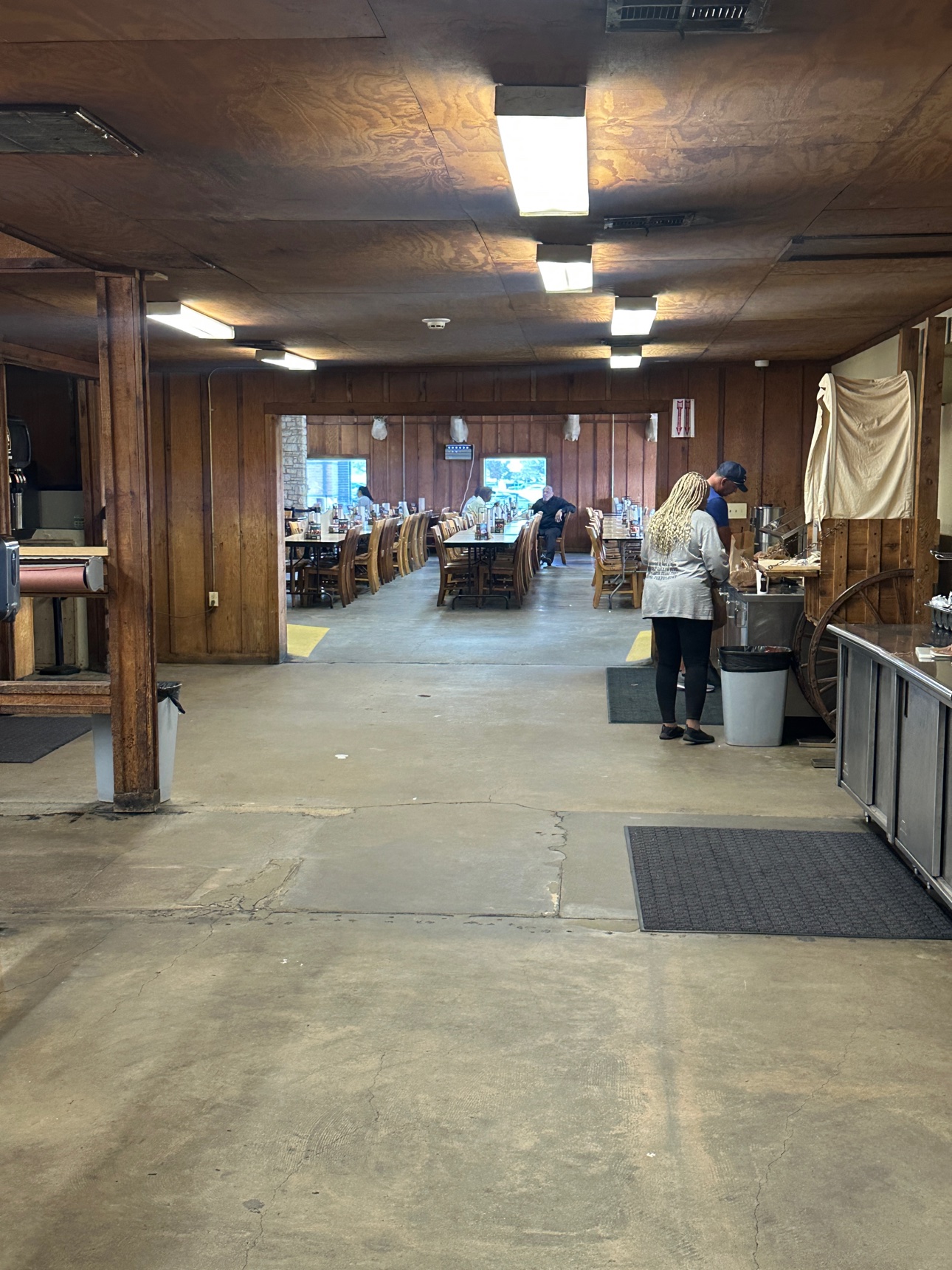
In 1991 Ernest Sr. bought the old Security National Bank building and land on Highway 290 and remodeled it with Billy — a pit room, a kitchen, a meat market and a meat plant under one roof. The first sausage at the new house was stuffed on July 1, 1992, a moment still commemorated by a photograph on the restaurant’s wall, and the doors opened July 16, 1992, at 1212 Highway 290. The menu grew with the room: beans, potato salad, baby back ribs, tea. Downtown’s little butcher shop had become a full-scale barbecue house — 110 years after the wagon.
Three years later, the State of Texas made the nickname official. In 1995 the 74th Legislature designated Elgin the “Sausage Capital of Texas” — House Resolution 705 by Representative Robert Saunders and Senate Resolution 1025 by Senator Kenneth Armbrister, the Senate adopting its resolution on May 11, 1995. The enrolled text noted that Elgin’s three sausage plants then produced some 65,000 pounds of sausage a week. Southside was the name that built that reputation, and the Legislature knew whose smoke it was ratifying.
The Grandson Takes the Reins
Bryan Bracewell grew up in the business the family way — at work by twelve — then took the unusual step of studying it formally, earning a Texas A&M degree in meat science and food science in 1998. In 2010, Bryan and his wife Rachel purchased the market from his grandfather, the third generation of Bracewells to own it. Ernest Sr., who had bought a butcher shop on a salesman’s hunch in 1968, died in 2012, having seen his grandson take the reins and the family name become the brand.
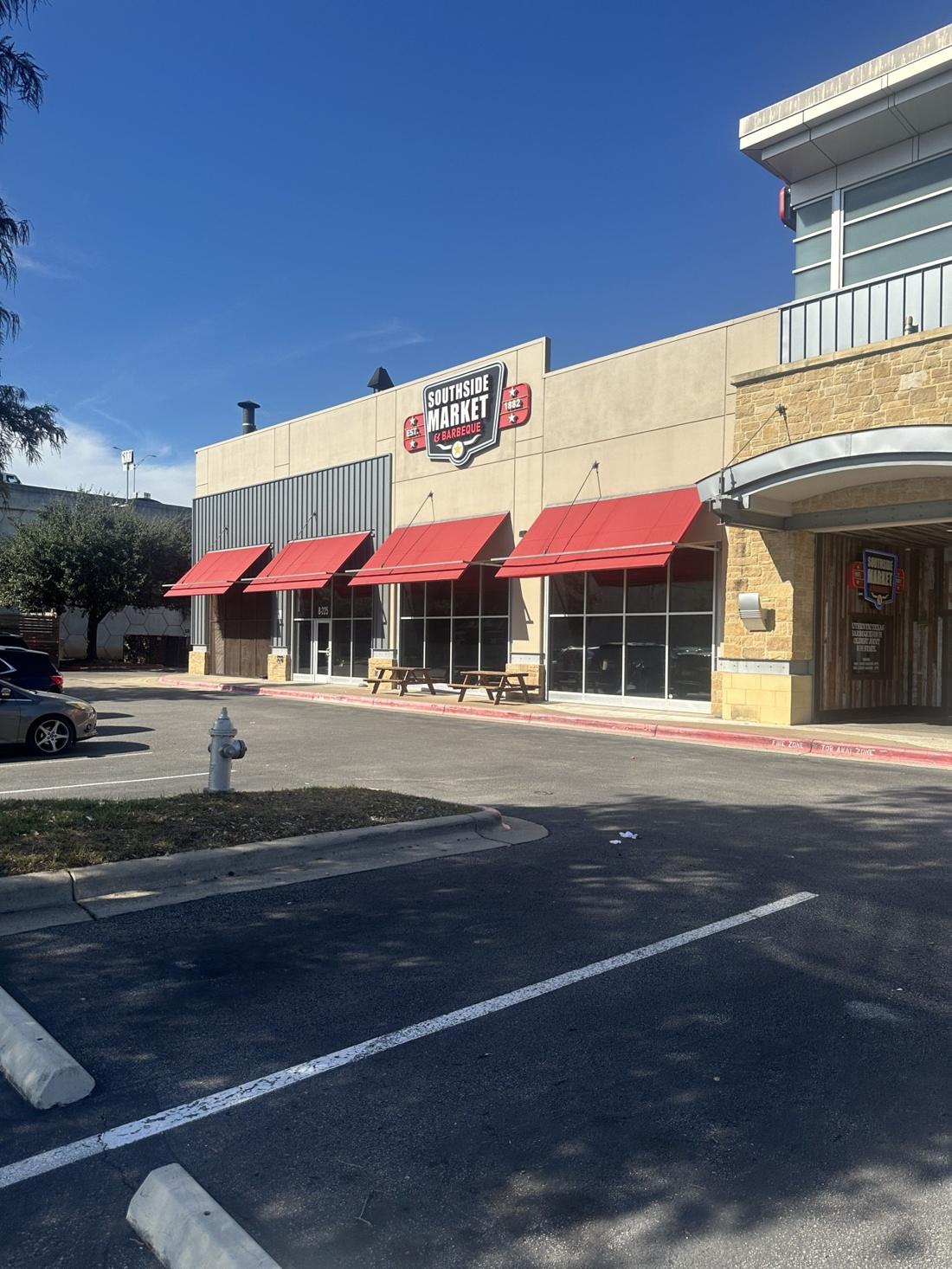
What followed is the expansion this paper’s readers will know best — and it is told in full in the dispatch below. But the headline belongs here: a business that spent its first 132 years within a few blocks of one small town now serves from five locations, employs more than 140 people, ships nationwide, and stocks grocery shelves at H-E-B and Walmart — while the Elgin flagship still stuffs sausage at 1212 Highway 290, a short drive from the Central Avenue storefronts where it all began.
The Claim, Examined
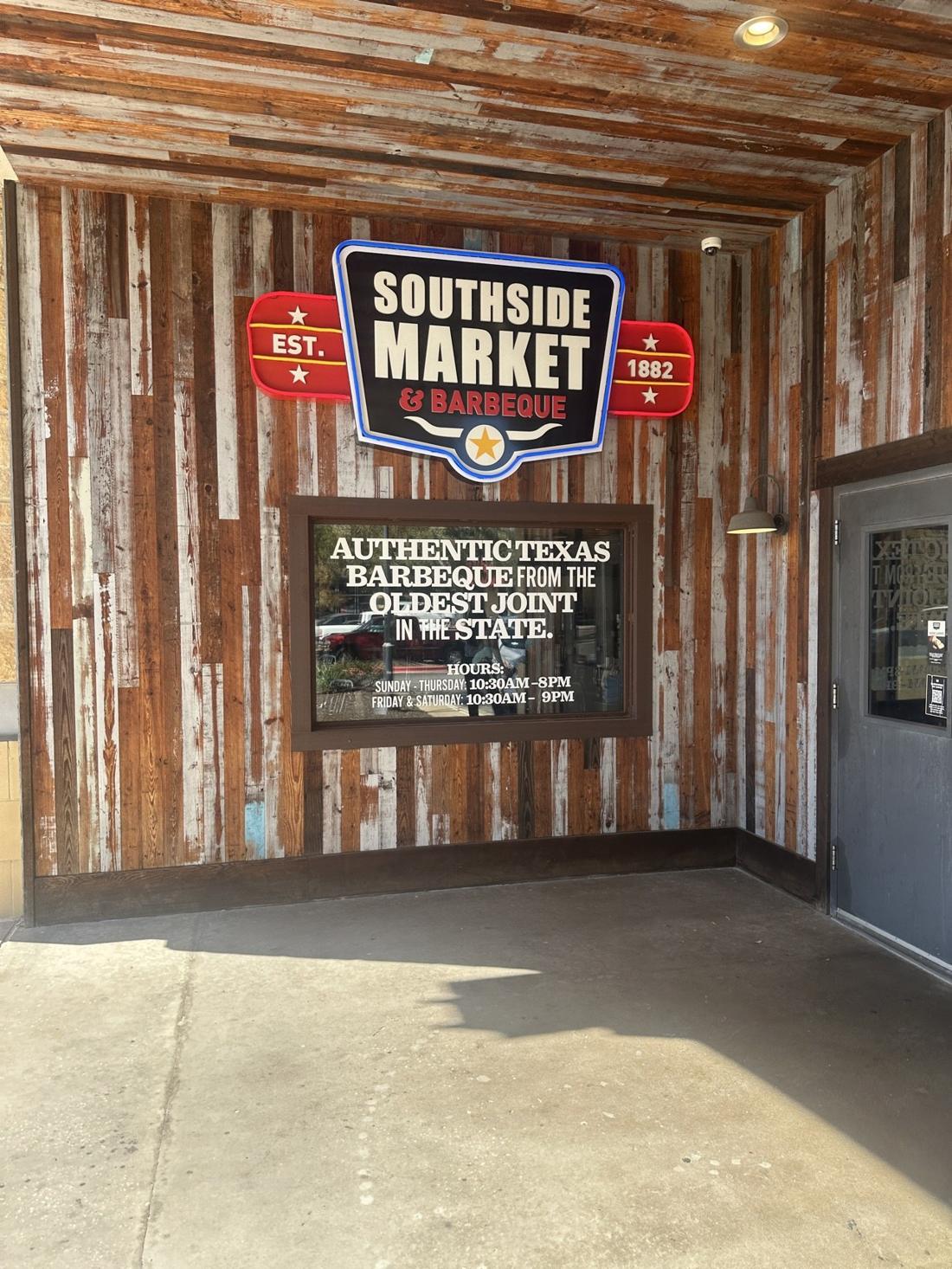
Southside is often billed as the oldest barbecue joint in Texas. This paper prints the claim the way Texas Monthly’s barbecue editor Daniel Vaughn left it in September 2022, after examining the evidence: “plausible but unconfirmed.” The wrinkles are real. The name “Southside Market” itself first appears in 1918; a Palace Market operated at the location as early as 1899; and James William Moon died on April 26, 1887, his slaughterhouse passing to his brother Theodore. A claim that needs no asterisk is the record of the smoke itself — sausage made the same way, in the same town, across three centuries of Texans. Texas Monthly’s 2017 rankings placed Southside in the honorable cohort at No. 51, just outside its Top 50, praising a house “not happy resting” on its age and calling its lamb ribs and pork steaks underrated. In 2022 the business was designated a Texas Treasure Business. The Legislature, the historians and the critics have each had their say; the line at the counter remains the longest-running review of all.
· · ·